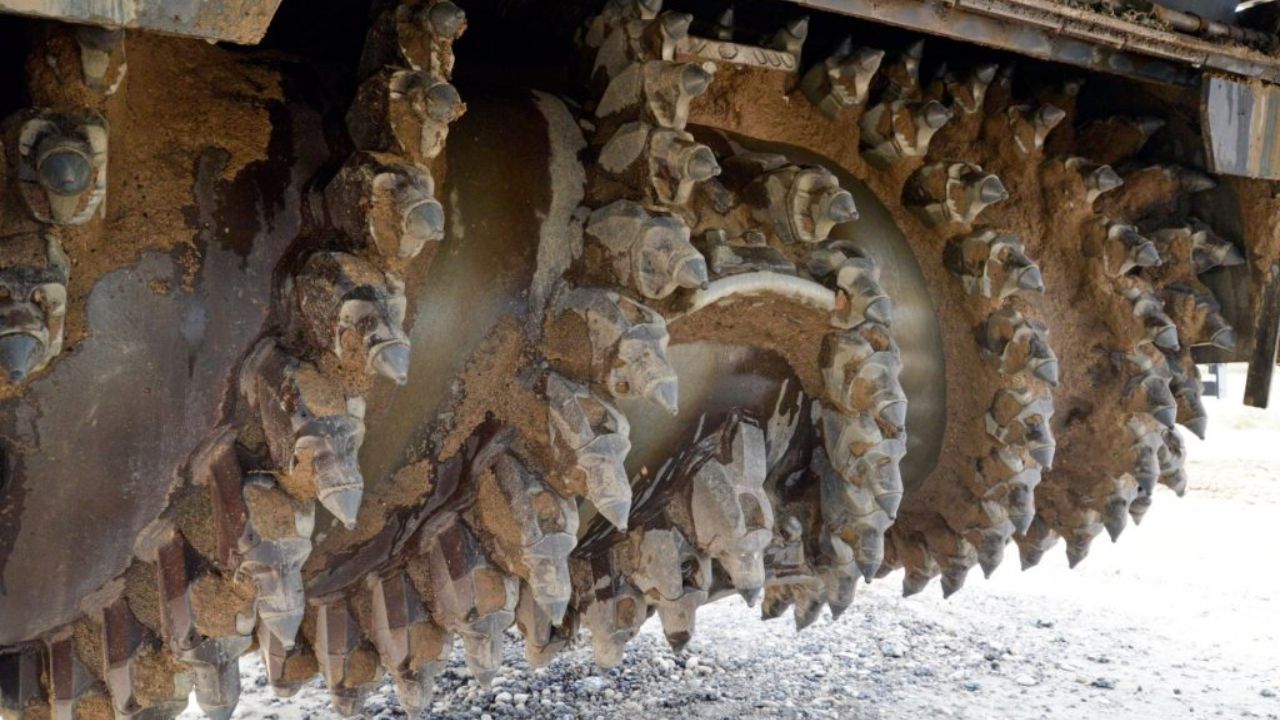
Road milling teeth are significant cutting tools in construction and maintenance machines on the road. They are employed to erase the old road surfaces to construct the new layers. Even though they might appear alike, asphalt milling teeth and concrete milling teeth are suited to various working conditions. Each of the types is designed to perform in certain surface hardness, wear, and cutting requirements. The type of tooth used is highly important in terms of efficiency and tool life. The machine performs better, costs remain lower, and the quality of the road surface is enhanced when the correct asphalt milling teeth are used on the correct surface. The differences enable companies to select the appropriate tool to accomplish the task.
Material Strength and Hardness
One of the main differences between asphalt and concrete milling teeth is the material strength and hardness. Asphalt milling teeth tend to be made to work on softer and more pliable surfaces. They also employ tungsten carbide tips, but the design is less resistant than concrete tools. Concrete milling teeth, on the other hand, are constructed of very hard and rigid surfaces. Concrete has cement and stone aggregates, which result in high cutting resistance. Due to this fact, concrete teeth are more wear-resistant and stronger. Its design aims at durability and impact resistance to be able to withstand harsh cutting conditions without breaking or wearing out easily.
Tooth Shape and Design Structure
Milling teeth are also different in shape and design according to their use. Mill teeth of asphalt have a more cutter profile and are typically smoother. This assists them in slicing through sticky and pliable asphalt surfaces. Its shape enables the free flow of the material and lessens the clogging during operation. The teeth used in concrete milling are more blunt and robust since they have to cut hard surfaces rather than slice them. They are designed in such a way that they can deal with high-impact forces. The tougher form will enable them to maintain their resistance to cracking and chipping when dealing with tough concrete roads. The designs are all optimized for the type of material they are made of.
Cutting Performance on Different Surfaces
Asphalt milling teeth work best in soft and stratified road surfaces such as old asphalt roads. They shear easily, and they can be removed with minimum resistance. This assists in enhancing speed and efficiency in the road resurfacing projects. Milling teeth of concrete are created to cut slowly but powerfully on hard surfaces. Concrete has a higher force to break, and thus these teeth create more power and pressure. When concrete is used with asphalt teeth, the teeth wear easily. Equally, cutting with concrete teeth on asphalt can cause a decrease in cutting efficiency. Each of the types is made to give optimal performance on its target surface.
Heat and Friction Handling
During road milling, heat and friction are always generated due to high-speed cutting. The asphalt milling teeth are meant to withstand average heat conditions since asphalt surfaces generate less heat than concrete. Nonetheless, in hot weather, asphalt may stick together, necessitating a smooth cutting movement. The concrete milling teeth have to endure a lot greater heat and friction since concrete is very hard. The cutting operation results in high resistance and vibration, which increases heat accumulation. Hence, concrete teeth are produced using more robust materials and are heat-resistant. This aids in avoiding damage and maintains consistent performance when there is heavy-duty milling work.
Machine Load and Power Requirements
The kind of milling teeth employed also influences the machine load and power needs. The asphalt milling teeth demand a lower power as the asphalt is easier to cut. This enables machines to operate at a higher rate using less energy. The milling teeth made of concrete demand greater power since they have to shatter hard and solid surfaces. This adds weight to the machine and needs a higher cutting force. When the improper kind of teeth is applied, it may result in machine strain or poor performance. The proper teeth are used so that the machine does not apply extra forces needlessly and waste fuel.
Conclusion
Asphalt and concrete milling teeth might appear to be similar, yet they are made to operate in quite different conditions. Asphalt teeth are constructed to cut easier and faster on softer surfaces, whereas concrete teeth are constructed to cut hard surfaces and with heavy impact. Their performance is influenced by differences in material strength, design, wear resistance, heat handling, machine load, etc. The appropriate type of milling tooth will enhance efficiency, minimize cost, and increase the life of the equipment. Such knowledge assists construction firms in selecting appropriate tools to be used in any given project and attain enhanced outcomes in road maintenance and construction projects.